November 5, 2026
An insulated garage door can help moderate temperatures inside a garage, but that does not automatically translate into lower household energy bills. The difference depends on whether the garage is attached to the house, how the surrounding walls are insulated, and how well the door closes. Before shopping for new garage doors, homeowners should understand what insulation can realistically improve and what other problems may need attention first.
Understanding How Garage Door Insulation Works
Insulated garage doors slow heat transfer between the garage and outdoors. Many models place rigid polystyrene panels or polyurethane foam between layers of steel or other door materials. The insulation can reduce heat passing directly through the door, although it cannot stop all temperature changes.
Polyurethane is often used in doors designed for stronger thermal performance, while polystyrene may provide a less expensive option. Construction quality matters alongside the insulation itself: panel joints, edges, windows, and surrounding gaps all affect the result. Compare the complete product rather than assuming that one insulation material is always the best choice.
Comparing Insulated and Non-Insulated Door Designs
A basic uninsulated door may consist of a single sheet of steel, offering a weather barrier without much resistance to heat flow. An insulated design adds layers that can also make door panels feel more rigid. Some models include an interior backing that protects the insulation from everyday contact.
When comparing new garage doors, ask about the entire assembly, including seals and window options. An insulated door with damaged weatherstripping may allow considerable outdoor air inside, while a properly fitted simpler door might already address some drafts. The ideal choice depends on the condition of the existing door and the owner's priorities.
Considering Garage Size and Its Connection to the Home
Garage dimensions influence the space being affected, but they do not directly predict energy savings. According to HomeGuide, single-car garages usually measure 12 to 16 feet wide and 20 to 24 feet deep, while two-car garages typically measure 20 to 24 feet wide and 20 to 24 feet deep. Those measurements describe the garage, not necessarily the width of its door opening.
Location is even more important than size. An attached garage may share walls or a ceiling with conditioned rooms, while a detached garage often has little direct influence on the home's heating and cooling bills. For an attached garage, insulation and air sealing along the shared boundary can be just as important as the overhead door. Rooms above a garage deserve attention, too, particularly when their floors feel unusually cold in winter or warm in summer.
Reading R-Values and Whole-Door Performance Ratings
For new garage doors, R-value describes resistance to heat flow; higher values indicate greater resistance for the rated material or section. However, a manufacturer's advertised R-value may refer to insulation within a panel rather than the entire operating door. Comparing those figures alone can overlook heat transfer at joints and frames.
Where available, look at a tested whole-door U-factor as well. A lower U-factor indicates less heat transfer through the assembled door. Ask the installer which rating applies to the specific model, since different testing methods should not be treated as interchangeable. These details make comparisons more meaningful than marketing labels such as "maximum efficiency."
Evaluating Comfort During Hot and Cold Weather
In winter, an insulated door can slow the movement of heat from a warmer garage to the outdoors. During summer, it can reduce heat passing inward through a sun-exposed door. That may make a garage more comfortable for storage, chores, or brief work sessions, but it will not turn an unconditioned garage into a temperature-controlled room.
Results also vary with climate, sunlight, garage orientation, and how often the door opens. A frequently opened door exchanges large amounts of air regardless of its insulation. Garages used for projects should still have suitable ventilation and must not be treated as living areas simply because their doors are insulated.
Estimating Energy Savings Without Assuming a Payback
Whether utility bills decrease depends largely on how much garage temperature influences conditioned living space. If the shared wall and ceiling are already well sealed and insulated, new garage doors may provide comfort benefits without a noticeable billing change. Homes with significant drafts or weak separation between the garage and house may have other improvements worth prioritizing.
Compare door estimates with costs for weatherstripping, insulation, and other appropriate repairs. Consider door price, removal of the old unit, installation, and any hardware changes. No universal savings percentage or payback period applies to every home, so be cautious of claims that an insulated door will quickly pay for itself. If the existing door is still sound, compare the cost of repairing seals or improving surrounding insulation before choosing complete replacement.
Checking Weather Seals and Nearby Building Surfaces
Insulation works best when outdoor air is not continually entering around the door. Worn bottom seals, damaged side weatherstripping, or poor alignment can let wind, water, and debris inside. A qualified installer can examine the door's fit and recommend repairs or replacement components suited to the system.
For attached garages, inspect the separation between the garage and living areas as well. Gaps around penetrations and poorly sealed access doors can allow unwanted air movement. Addressing these concerns may support home comfort independently of new garage doors. Any sealing work should respect applicable fire-safety and ventilation requirements, particularly where fuel-burning equipment is present.
Balancing Cost, Noise, Appearance, and Durability
Thermal performance is only one reason to upgrade. Insulated panels may reduce some sound transmission and can feel sturdier during normal use, although performance depends on construction. Door appearance also matters because the garage often occupies a prominent part of the home's exterior.
When requesting estimates, compare materials, panel thickness, finish options, warranties, and expected maintenance. Decorative windows can change appearance and thermal performance; they should be evaluated as part of the whole design. Spending more on insulation makes sense when the benefits align with how the garage is used, rather than because the most expensive model appears automatically superior.
Planning Installation and Routine Maintenance Safely
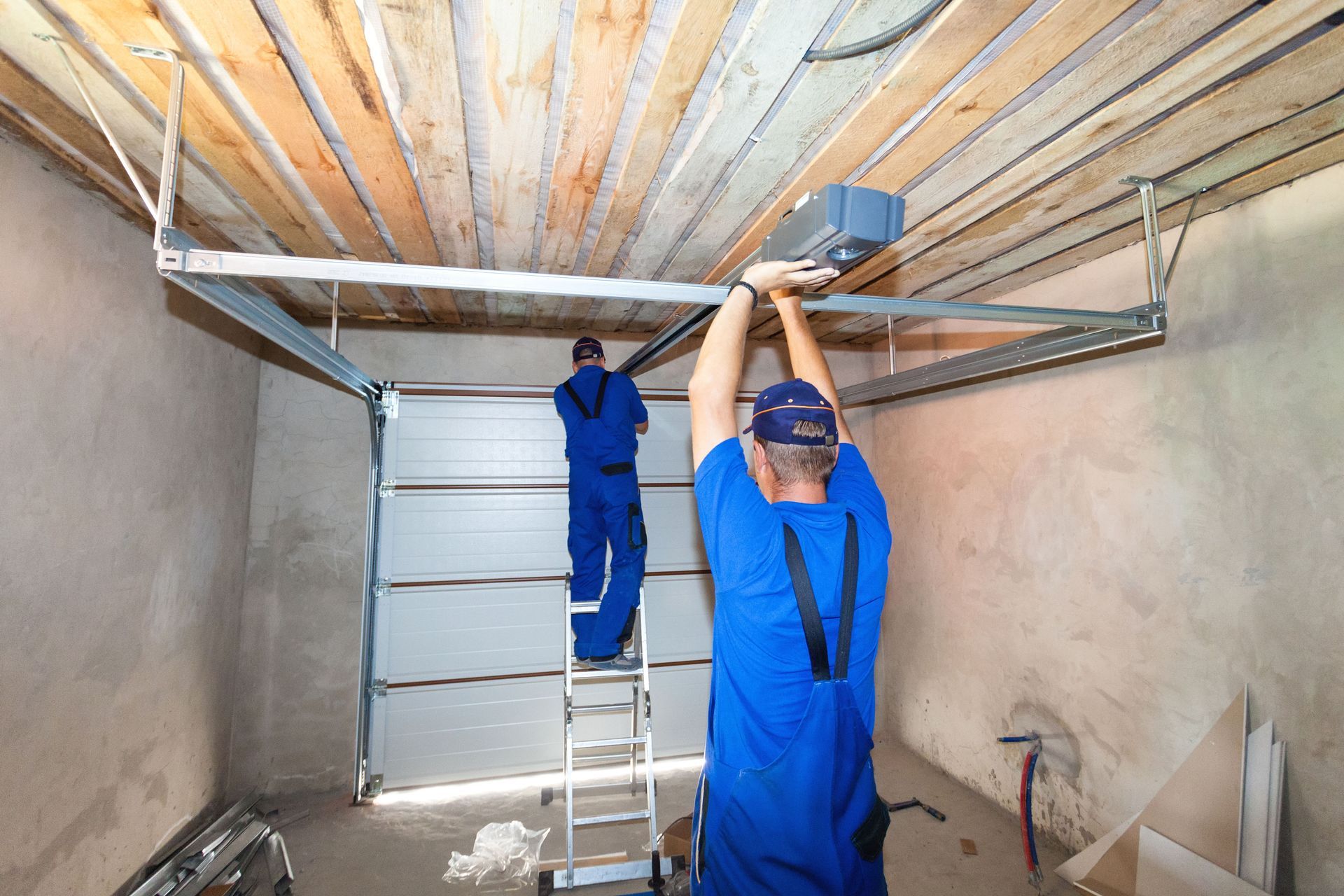
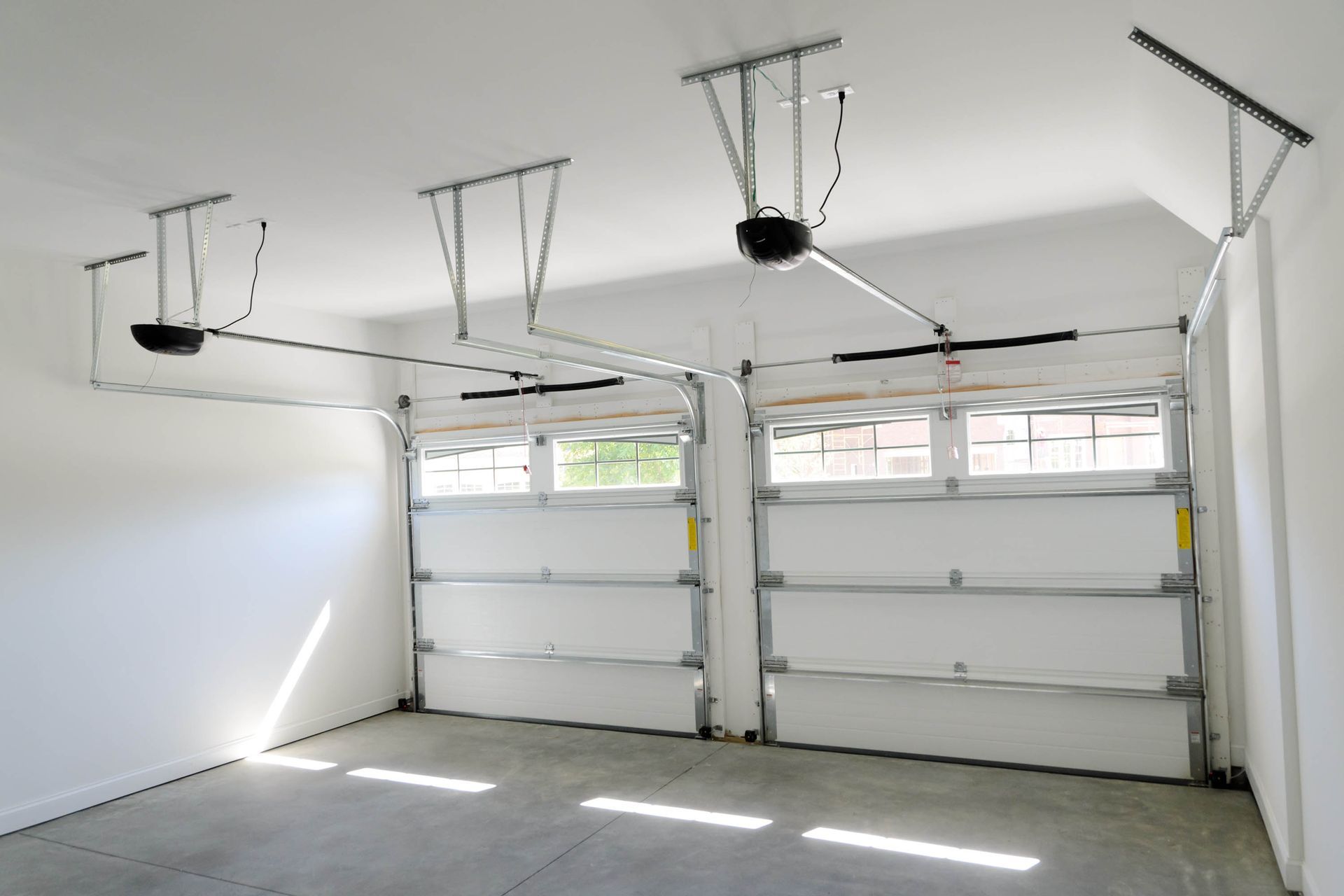
Garage doors are heavy moving systems supported by springs, cables, tracks, and an opener. Replacement may require assessing whether existing hardware is compatible with the new door's weight and construction. Spring adjustments and other high-tension repairs should be performed by trained professionals, not attempted as casual household maintenance.
After installation, follow the manufacturer's guidance for inspections, lubrication, weather-seal care, and safety-reversal testing. Keep tracks clear and arrange service when a door becomes unbalanced or operates unevenly. Homeowners considering new garage doors should ask what installation and maintenance are included in a written proposal rather than assuming all future service is covered.
Deciding Whether an Insulated Upgrade Is Worthwhile
An insulated door can be a sensible upgrade when the garage shares walls with living areas, experiences uncomfortable temperature swings, or needs a quieter, sturdier replacement. However, the largest comfort improvement may come from addressing air leaks or insulation gaps elsewhere. A realistic decision weighs the garage's location, daily use, complete door ratings, and project budget.
The Real Giel Garage Doors offers garage door design and installation services in the North Pittsburgh area. Contact the company to compare
new garage doors, discuss insulation options, and request an estimate suited to your home. A careful evaluation can help you choose a door for its practical benefits without counting on energy savings that may not materialize.New Paragraph